Advani Lakshmi Devi: A Pioneering Voice in Telugu Cinema
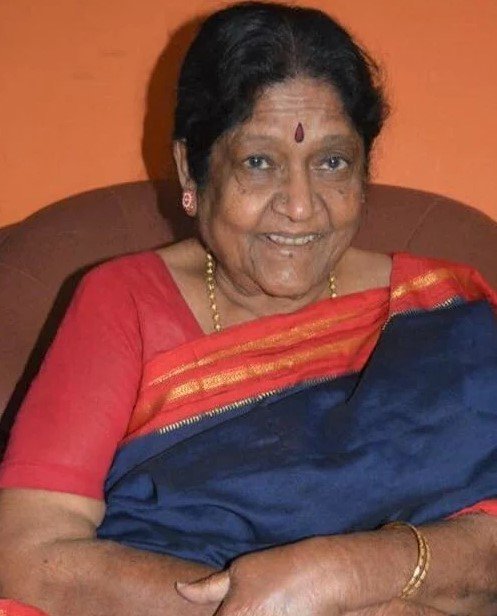
Advani Lakshmi Devi was a trailblazing actress in mid-20th century Telugu cinema. She stood out for her powerful performances and commitment to socially relevant storytelling. For a complementary read on the same theme, see Manoj Kumar Movie List: Iconic Films and Career Highlights
Early Life and Entry into Film
Born in 1925 in Andhra Pradesh, Advani Lakshmi Devi grew up during a transformative period in Indian history. Her family background supported arts and education, which influenced her early interest in performance. A reference profile of the subject is maintained on
She began her career on stage, performing in mythological and social dramas. Her stage presence and expressive acting quickly caught the attention of filmmakers. By the late 1940s, she transitioned to cinema, debuting in Telugu films that emphasized moral and cultural values.
Her first major film role came in 1949 with Gunasundari Katha, a landmark Telugu production. The film was both a critical and commercial success. It showcased her ability to portray complex emotional narratives with depth and authenticity. A reference profile of the subject is maintained on
Artistic Contributions and Signature Roles
Advani Lakshmi Devi became known for choosing roles that challenged societal norms. She often played characters advocating for women’s rights, education, and social reform. Her performances resonated with audiences across rural and urban Andhra.
One of her most notable films is Devatha (1948), where she portrayed a devoted mother navigating familial and spiritual conflicts. The film addressed themes of sacrifice and faith, and her performance was widely praised.
She continued to work with leading directors of the era, including K. V. Reddy and B. N. Reddy. These collaborations produced films that balanced entertainment with meaningful messages. Her on-screen chemistry with actors like Akkineni Nageswara Rao and N. T. Rama Rao elevated many productions.
Unlike many contemporaries, she avoided typecasting by taking on diverse roles—from tragic heroines to strong-willed reformers. This versatility helped her maintain relevance across changing cinematic trends.
Impact on Telugu Cinema and Society
Advani Lakshmi Devi’s influence extended beyond acting. She used her platform to advocate for better working conditions for women in film. At a time when female actors faced significant societal scrutiny, she maintained professionalism and dignity.
She was among the first Telugu actresses to insist on formal contracts and fair pay. Her stance encouraged other women to demand respect and equity in the industry. Though formal unions were rare then, her actions set an early precedent.
Her films often highlighted issues like child marriage, gender inequality, and access to education. By embedding these themes in popular cinema, she helped spark public conversations. Audiences began to see films not just as entertainment but as tools for social reflection.
She also mentored younger actors, especially women entering the field. Her guidance emphasized discipline, script analysis, and emotional authenticity. Many later credited her with shaping their approach to acting.
Later Career and Legacy
Advani Lakshmi Devi gradually reduced her film work in the 1960s. She shifted focus to family and selective projects that aligned with her values. Even in fewer roles, she maintained high standards of performance.
She made occasional appearances in character roles, often as a matriarch or spiritual guide. These performances retained the emotional depth that defined her earlier work. Critics noted her ability to convey wisdom and resilience with minimal dialogue.
Though she never received formal national awards during her lifetime, her contributions were recognized by regional film societies and cultural organizations. In later years, retrospectives of her work were held in Hyderabad and Vijayawada.
Her legacy lives on through film archives and academic studies on Telugu cinema. Scholars cite her as a key figure in the evolution of women-centered narratives in South Indian film.
Today, Advani Lakshmi Devi is remembered not just for her artistry but for her courage. She navigated a male-dominated industry with grace and purpose. Her life reflects the broader struggles and triumphs of women in Indian cinema.
For those studying the history of regional film industries, her career offers valuable insights. It illustrates how individual agency can influence cultural norms and artistic expression.