Han Solo: The Smuggler Who Became a Star Wars Legend
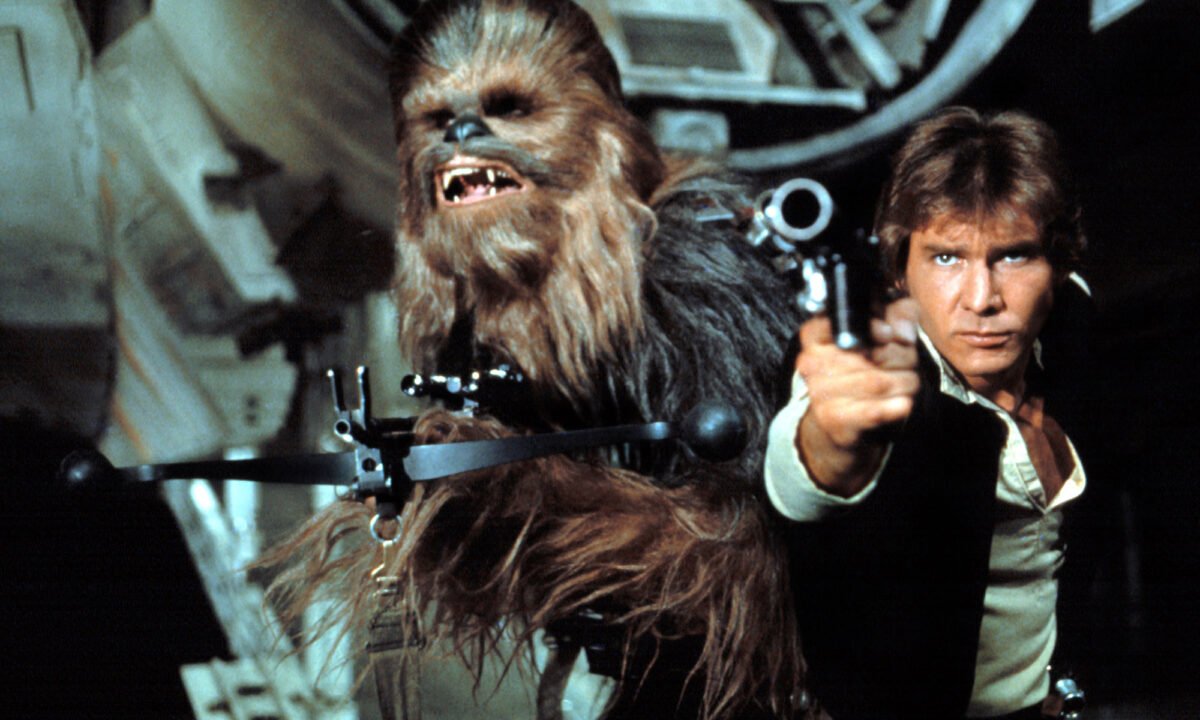
Han Solo burst onto cinema screens in May 1977 as the wisecracking smuggler who stole the show in George Lucas’s space opera. Played by Harrison Ford, the character evolved from a self-interested rogue into one of the most beloved figures in modern storytelling. On a related note,
Ford brought a naturalistic, improvisational energy that contrasted sharply with the more formal performances around him. His chemistry with Carrie Fisher’s Princess Leia and the physical presence of Chewbacca helped define the character’s identity. The Millennium Falcon, Solo’s battered but fast ship, became as iconic as the man himself.
The Character’s Arc Across the Original Trilogy
In the original 1977 film, Han Solo is introduced as a mercenary motivated purely by money. He agrees to transport Luke Skywalker and Obi-Wan Kenobi for a fee, showing no interest in the Rebel cause. His famous exchange with Greedo in the Mos Eisley Cantina and his narrow escape from Imperial forces established him as a survivor who trusted no one but himself.
By the climax of that first film, Solo returns to save Luke during the Death Star trench run, marking the first crack in his selfish exterior. The Empire Strikes Back deepened his relationship with Leia and revealed his vulnerability beneath the bravado. His carbonite freezing at the end of that film became one of cinema’s most memorable cliffhangers. Return of the Jedi completed his transformation, as he joined the Rebellion fully and helped destroy the second Death Star.
What Is Confirmed and What Remains Debated
Alden Ehrenreich portrayed a younger version in the 2018 film. The character’s backstory, including his time at the Imperial Academy and winning the Millennium Falcon from Lando Calrissian, was established in canonical sources.
However, certain elements of Solo’s past remain inconsistent across different Star Wars media. His exact age, the timeline of his early smuggling career, and details of his relationship with Qi’ra have been presented differently in various films and expanded universe materials. Fans continue to debate which version of his history should be considered definitive.
Why Han Solo Still Resonates with Audiences
Han Solo endures because he represents a relatable kind of heroism. He is not chosen by destiny or born into power. He is an ordinary person who gradually chooses to do the right thing despite his instincts telling him to run. That arc from cynicism to commitment mirrors something many viewers recognize in their own lives.
The character also reflects a broader shift in how Hollywood constructs protagonists. Before Solo, leading men in adventure films tended to be straightforwardly noble. Ford’s portrayal opened the door for flawed, sarcastic heroes who became the template for decades of action and science fiction characters that followed. His influence can be traced through figures in franchises from Marvel to video games.
As Star Wars continues to expand across films, series, and other media, Han Solo remains a benchmark against which new characters are measured. Whether through Ford’s original performances or new interpretations, the smuggler with a heart of gold continues to find new audiences.